
What Does an Aging in Place Designer Do?
Most people hear “aging in place design” and picture grab bars bolted to a bathroom wall. Maybe a ramp at the front door. Functional, yes, but not exactly the home you imagined spending your best years in.
Here’s the truth: a skilled aging in place designer does something much more nuanced than installing safety features. They redesign how your home works, including optimizing build floorplans and studs in walls for changes that may be needed down the road, so it supports your life at every stage, without ever looking like a medical facility.
And when that designer also happens to be a licensed Occupational Therapist? The result is a home that’s not just beautiful. It’s built on a clinical understanding of how bodies actually move through space, how a specific chronic condition, diagnosis, or simply the natural process of aging can present itself in an individual.
Aging in Place Design Is Not a Checklist
There’s a common misconception that aging in place is a project with a start and a finish: widen the doorways, lower the countertops, add some lighting, done.
In reality, aging in place design is a philosophy. It’s about anticipating how your needs will evolve over time and building flexibility into your home now, before those needs become urgent. A good aging in place designer thinks five, ten, twenty years ahead.
That means considering things most designers never think about: how the angle of light in a hallway affects depth perception, whether the flooring transition between rooms creates a trip hazard, how the height of a shower bench relates to safe transfers, or whether a kitchen layout allows someone using a walker to move comfortably between the sink and the stove.
This isn’t decoration. It’s design informed by how people actually live in their bodies.
What a CAPS-Certified Designer Brings to the Table
CAPS stands for Certified Aging in Place Specialist, a credential offered by the National Association of Home Builders. It means a designer has completed specialized training in accessible design, home modifications, and the unique needs of aging homeowners.
A CAPS-certified designer understands building codes related to accessibility. They know which modifications add long-term value to a home and which ones are cosmetic fixes that won’t hold up. They can coordinate with contractors who specialize in accessible construction, and they speak the language of both design and function.
But here’s what CAPS certification alone doesn’t give you: a clinical understanding of the human body.
The OT Difference
An Occupational Therapist is trained to evaluate how a person interacts with their physical environment. They study human movement, functional capacity, and the specific challenges that come with aging, injury, or chronic conditions. It’s a master’s-level clinical degree, and it changes everything about how an OT approaches interior design.
When your aging in place designer has an OT background, the design process starts differently. Instead of asking “What style do you want?” the first question is closer to “How do you move through your morning routine, and where does your home make that harder than it needs to be?”
That’s not a question most interior designers are trained to ask. But it’s the question that leads to solutions you didn’t know you needed, the ones that feel invisible because they’re so well-integrated into the design.
A few examples of what this looks like in practice:
In the bathroom, an OT-trained designer doesn’t just install a grab bar where it looks right. They position it based on the biomechanics of how you’ll actually use it: the angle of your reach, the force you’ll need to exert, and how that changes if your mobility decreases over time. The result is a bathroom that feels like a spa, not a hospital.
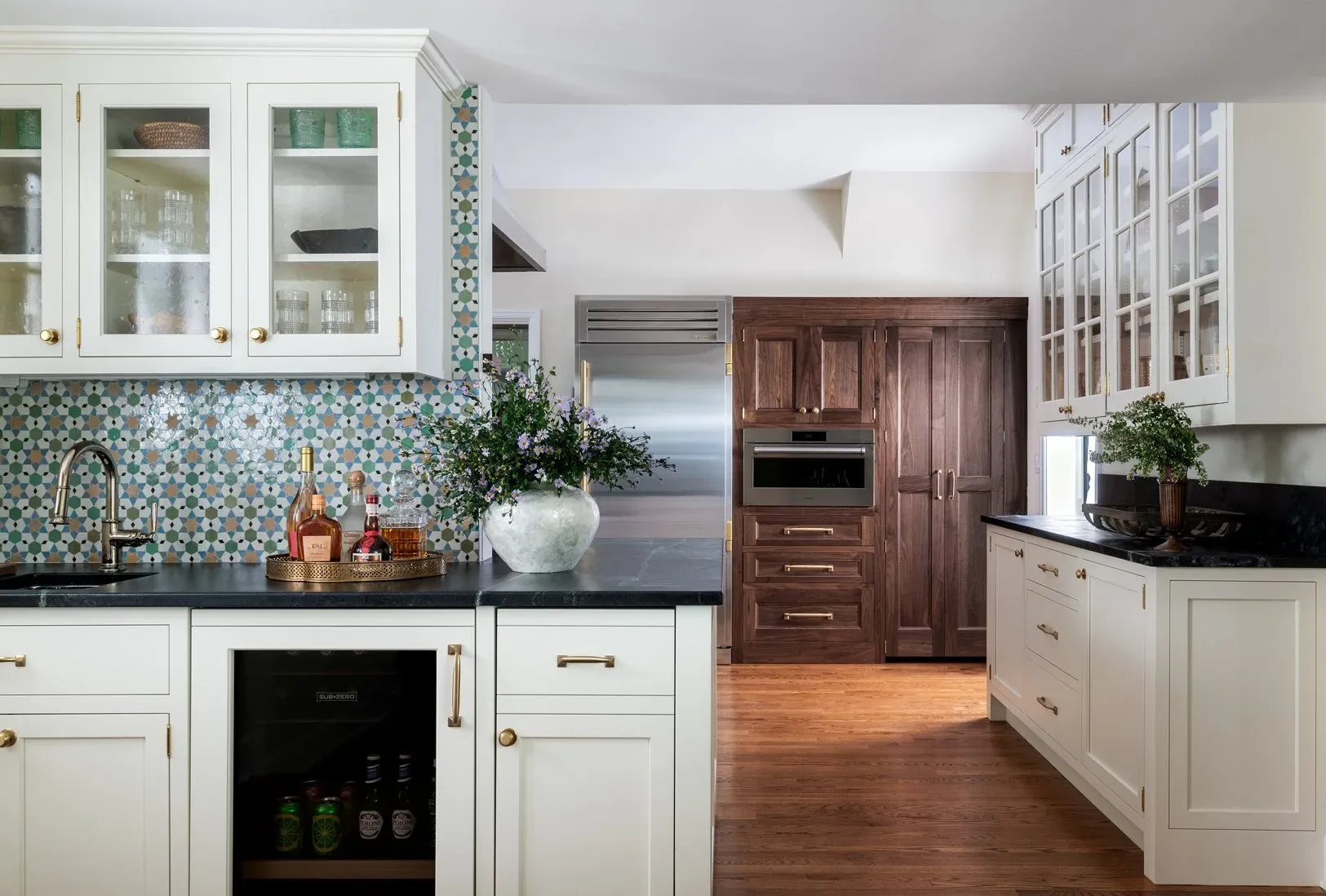
In the kitchen, it’s not just about lowering the countertops. It’s about understanding the workflow: can you safely transfer a pot of boiling water from the stove to the sink without crossing a high-traffic path? Are the most-used items stored where they’re accessible without reaching overhead or bending at the waist? Is there enough contrast between the countertop edge and the floor for someone with declining vision?
In living spaces, it means thinking about furniture layout in terms of fall prevention. How far is the walk from the sofa to the bathroom at night? Is there a clear, well-lit path? Are the rugs secured? Could someone with a mobility aid navigate the room without rearranging their life around the furniture?
These are clinical questions answered through beautiful design. That’s the intersection most designers simply can’t reach.
Who Needs an Aging in Place Designer?
You might be surprised. This isn’t just for people who are already experiencing mobility challenges. The best time to invest in aging in place design is before you need it, when you can make thoughtful, proactive changes that feel like upgrades rather than accommodations.
Common situations where an aging in place designer makes a real difference:
You’re renovating your forever home and want to build in longevity from the start. You’re a homeowner in your 50s or 60s thinking ahead about the next two decades. You have a parent moving in and need to make the home work for multiple generations. You’ve had a health event (a fall, a surgery, a new diagnosis) and your home suddenly feels like it’s working against you. Or you simply want a home that feels effortless to live in, no matter what the future holds.
Why It Matters More Than You Think
The alternative to aging in place is, eventually, leaving your home. And for most people, that’s not a neutral decision. It’s an emotional, financial, and logistical upheaval. The right design modifications, made at the right time, can extend your ability to live independently in the home you love by years or even decades.
But those modifications need to be done right. A grab bar installed in the wrong position isn’t just unhelpful, it can create a false sense of security. A bathroom renovation that doesn’t account for future mobility needs will need to be redone. And a home that looks accessible on paper but doesn’t work for the person actually living in it is a waste of time and money.
That’s why the designer’s background matters as much as their portfolio.
Ready to Think Ahead?
If you’re considering making your home work better for the long term, whether that’s a full renovation or a few strategic modifications, it’s worth having a conversation with a designer who understands both the clinical and the aesthetic side of aging in place.